Impact Stories
Past Projects
Impact Story 1: Joyhouse Orphanage, Batam
Our Approach: From Immediate Joy to Strategic Growth
At Impact Trails Asia, we believe community development is an ongoing commitment, not a one-off event. By returning to visit partners over multiple years, we build deep trust, map community needs, and transition our programmes from immediate relief to structured, long-term empowerment.
Our multi-year engagement with Joyhouse Orphanage in Batam, Indonesia, serves as a blueprint for how we design and execute high-impact experiential journeys.
Phase 1 (Foundational Engagement): Human Library & Community Asset Mapping
Initiating our partnership with Joyhouse, our focus was to establish trust, provide holistic experiences, and map the local landscape to identify sustainable community opportunities.
- Holistic Wellness & Inclusion: Recognizing that community care extends beyond basic needs, we curated a dedicated swimming and recreational day for the children and teachers—providing a rare, uplifting experiential opportunity outside the orphanage grounds.
- The “Human Library” Mentorship: Mobilizing a specialized 9-person team, we introduced a structured “Human Library” format. Mentors rotated through classrooms sharing diverse life and career experiences, expanding the children's horizons and inspiring future aspirations.
- Community Asset Mapping & Field Research: To understand the local ecosystem, our team conducted field research within the village. We mapped local infrastructure, visited the regional waste bank system to understand environmental challenges, and connected with local artisans to identify latent talent and economic pathways within the community.
- Problem-Solving Frameworks: We introduced foundational Design Thinking and a community Hackathon framework to help the youth brainstorm actionable solutions to everyday challenges faced by their immediate village.
Phase 2 (Strategic Scaling): Cross-Border Logistics & Enterprise Modeling
Building directly upon the insights and relationships forged during our first journey, our subsequent return to Joyhouse scaled our operational and educational framework significantly.
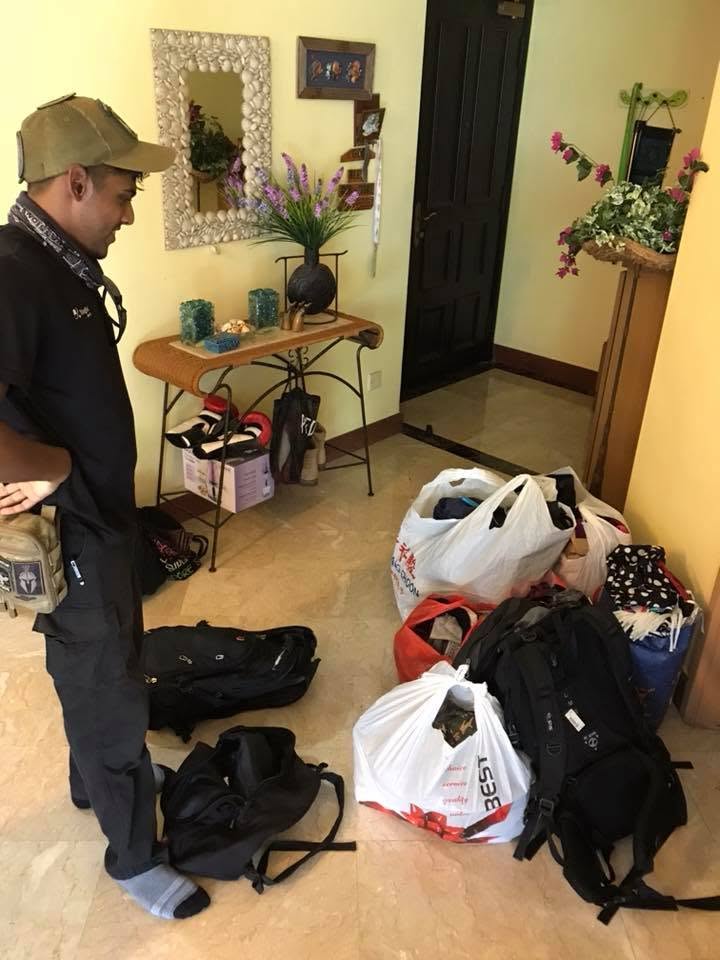
- Advanced Cross-Border Logistics: Managing intensive resource tracking, we cleared and transported an increased volume of vital supplies, including thoroughly vetted educational literature, toys, and apparel. To guarantee seamless execution over the three-day itinerary, we deployed dedicated transport assets and on-ground operational security.
-
Targeted Creative and Ecological Workshops: Moving from broad inspiration
to specialized skill-building, we ran concurrent workshop tracks for over 100 youth:
- Eco-Conscious Clay Art: Partnering with Team F Clay to foster tactile creativity and collective artistic expression.
- Circular Economy & Textile Upcycling: Led by Team Art Reef, teaching youth to transform textile waste into functional resources, directly addressing the environmental themes identified in our Phase 1 mapping.
- Micro-Enterprise Training: We conducted practical sharing sessions on foundational business operations, teaching the basics of starting and running sustainable micro-enterprises.
The Legacy: Data-Driven Sustainability
True impact requires a clear exit strategy that leaves local leadership stronger. At the conclusion of our engagement, our project directors collaborated directly with Joyhouse’s founders and teachers to conduct a comprehensive After-Action Review and SWOT Analysis.
By evaluating internal operational strengths and external vulnerabilities, we co-developed actionable short-to-midterm organizational goals. This ensures that Joyhouse is equipped to transition from dependency on traditional donation models toward a future of long-term operational resilience and sustainable community growth.
Impact Story 2: The Kulai Besar Initiative — Cross-Border Advocacy and Resource Mobilization
Our Approach: Institutional Collaboration & Community Groundwork
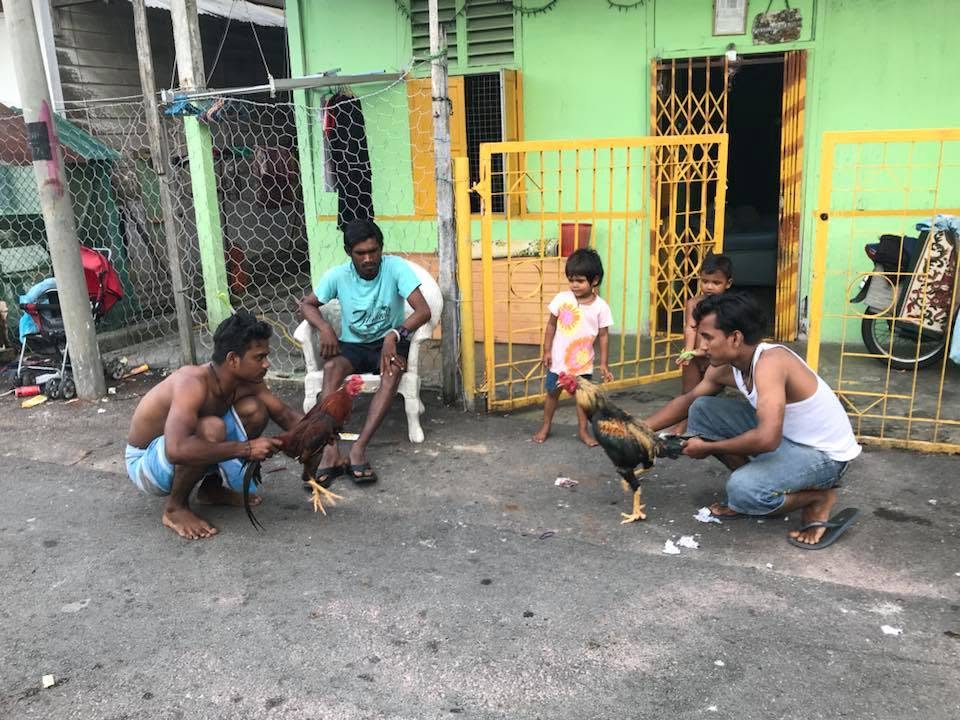
Sustainable community engagement requires deep collaboration with trusted local leaders and academic institutions who understand the socio-political landscape of marginalized groups. Our mission to Kulai Besar Village in Johor, Malaysia, highlights Impact Trails Asia's foundational capability to mobilize cross-border resources, partner with regional experts, and evaluate community infrastructure for long-term development.
Key Pillars of the Initiative
- Strategic Institutional Networking: To ensure our efforts targeted the most underserved populations, we partnered directly with regional academic leadership, aligning with an active university lecturer overseeing humanitarian support for localized refugee communities. This academic and community-led partnership provided the critical insights needed to navigate the local ecosystem safely and effectively.
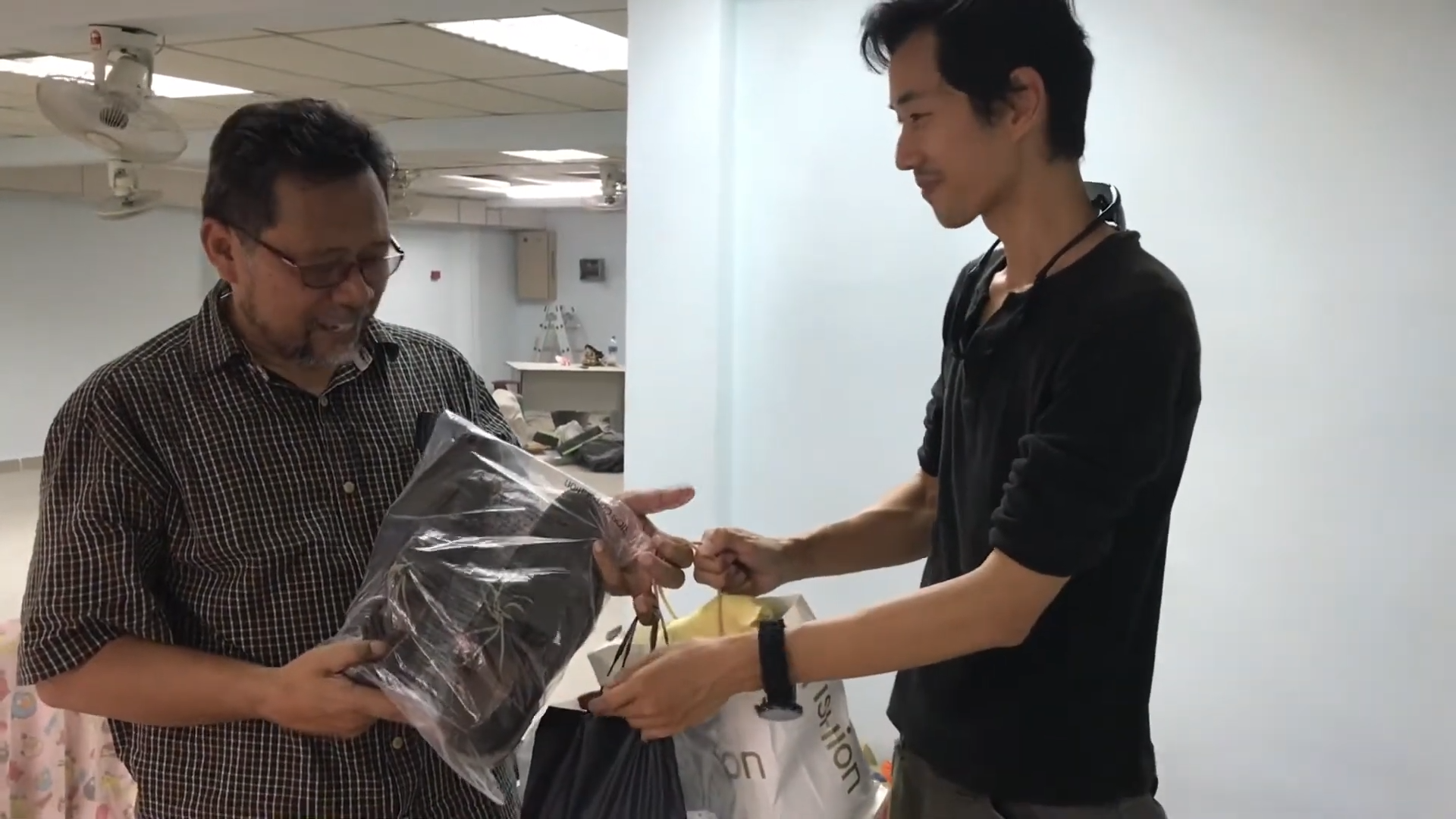
- Cross-Border Resource Tracking & Mobilization: Leveraging an international network of patron supporters and donors, we successfully organized, collected, and transported vital supplies from Singapore across the border to Johor Bahru. Despite complex regional transit and logistics, our team successfully managed the supply chain to ensure items reached their destination.
- Infrastructure Evaluation & Space Activation: A core component of our visit involved assessing a newly designated central collection point and community hub while it was undergoing renovation. We evaluated the venue's architectural layout and rooftop space for future potential activation, looking at how it could be utilized as an agile event and educational space to run community-enrichment programmes down the line.
- Direct Community Immersion and Needs Assessment: Moving directly into the smaller, close-knit Kulai Besar community, our team conducted a localized ground assessment. We delivered critical resources directly to families and spent time engaging with the residents to understand their everyday living conditions, cultural habits, and pressing socio-economic needs.